Master Escapes with Brazilian Jiu Jitsu Training condition1combat.com
@jasperwfbz675
Getting out from bad positions is the heartbeat of Brazilian Jiu Jitsu. Submissions win matches, but escapes save your neck in the gym and on the street. Talk to a seasoned black belt after a hard round and you will hear the same quiet pride in a clean elbow-knee escape as you might hear in a fancy finish. The escape game scales across rule sets. It is crucial in sport BJJ, it is life or death in self defense classes, and it can decide whether you make it out of a rough round intact in MMA. At Condition 1 Combat Center, where the mats host Brazilian Jiu Jitsu, Muay Thai, boxing, and MMA training, the culture rewards good defense because good defense gives you time. Time is control.
Why the best athletes obsess over escaping first
A new student often tries to outmuscle scrambles. They push on the opponent’s chest, bench press in mount, yank heads from side control. It works for a week. Then a blue belt glues their shoulder into the mat, retreats their hips two inches, and the new student realizes the person on top is not actually heavy, just perfectly placed. This is where Brazilian Jiu Jitsu training sharpens mindset as much as technique. You learn to protect your neck and arms while patiently improving position. In a boxing gym you drill slip and parry to survive the jab. In a Muay Thai gym you shell and frame to ride out a knee flurry. In a BJJ gym you build the same scaffolding with your skeleton, but against pins and chokes on the ground.
In MMA, poor escapes get punished by strikes. A sloppy shrimp in mount opens the chin for elbows. A rushed turn from side control gifts your back. Athletes who transition well between the Condition 1 Combat Center BJJ gym and the MMA gym environment build escapes that consider punches, cage positions, and sweat. Those details shape the difference between a technical move and a fight-ready one.
The anatomy of a reliable escape
Every clean escape distills to a few fundamentals you can feel under pressure. The specific steps change with body types and rules, but the scaffolding stays put.
- Five universal principles that anchor escapes:
- Structure beats strength. Replace pushing with framing through your bones. Elbow to hip, forearm to neck line, shin across the belt. If your frame can hold while you breathe, it is strong enough.
- Win the hips. Your shoulder blades must clear the mat and your hips must face space. No angle change, no escape.
- Kill grips with purpose. Peel, slip, or pummel hands that matter. A trapped elbow turns mount into a nightmare. Free it first.
- Sequence your effort. Small movements set up big ones. Think micro turn, then hip escape, then knee insertion, then stand or re-guard.
- Make the opponent carry you. Load their weight where they are weakest. If they overcommit to chest pressure, your underhook is waiting. If they float, bridge under their feet.
When those ideas click, technique sheets stop feeling like rigid recipes. You learn to combine pressure, breath, and angle the way a good striker blends jab and footwork.
Side control, the gateway to heavy pressure
Most intermediate rounds funnel to side control eventually. People attack from here because they can drive weight through your diaphragm, pin your far hip, and threaten kimuras or north south chokes. Escaping starts before they settle. Stack frames early. Your near elbow glues to your ribs, palm at your hip. The far forearm presses into their collarbone or underhook path. Turn your head away to open a strip of air for your shoulder. If your head remains square, your shoulders flatten and your hips die.

Here is a detail that shows up in live rounds at the Condition 1 Combat Center BJJ mats. When the top player crossfaces hard, don’t fight the face. Use their force to turn your head, then walk your feet toward them to generate a bridge under their ribs. The bridge should be short and fast, more like a pop than a long heave. As you pop, you are not trying to throw them, you are making space to slide your near knee in front of their hip. That knee is a jack. It converts side control into a knee shield or half guard frame. Once half guard is in place, your hands switch jobs. One hand digs for the underhook or a cross frame, the other protects your neck.
Kesa gatame changes the picture. Once the opponent traps your near arm and faces your head, you cannot elbow-knee reclaim. The common mistake is to try anyway. The right response turns your hips toward their legs, not their chest. Lock your hands in a gable grip over their hip line, bridge toward their head to make their base light, then reverse your hips hard toward their legs while pulling their belt line over your stomach. You are not rolling them. You are putting their butt on the mat behind you. This lands you on top or at least clears your elbow to re-pummel. A sharp coach will cue the timing using breath. Exhale on the bridge to avoid gassing.
North south pressure demands a small change. Your frames move to the opponent’s armpits, palms on triceps, fingers pointing up. Walk your hips in a circle like a slow windshield wiper until your knees point away from them. This angle hides your near arm, the arm that often gets kimura trapped. Once your knees face away, pummel the inside track with your bottom shin, wedge it under their belly, then invert your hips and recover guard. In no gi rounds, expect this to feel slippery. Sweat helps if you use placement, not if you flail.
Mount escapes that hold up in live rounds
Mount is where new athletes panic. That is normal. Your chest compresses, breath quickens, and the clock gets loud in your head. Slow it down. Shrink your arms. Keep your elbows by your ribs. Every inch your elbow floats, you gift an armbar.
Two core escapes work across most styles. The trap and roll converts their high mount into a ride you can shake. The key is isolating a post. If they post a hand, bring your same side hand over their elbow and fold it in. Your opposite hand hooks their ankle. Now your bridge needs angle. Bridge high toward your shoulder, not straight up. If you bridge straight up, they catch themselves like a gymnast. The angle kills their post on both sides. New students stop here. Experienced ones finish by rolling to their knees and gluing to the hips so the opponent cannot scramble up into a guillotine.
The elbow-knee escape is calmer but requires patience. Start small. Wiggle your shoulders to free your scapulae. Get your forearm blade across their belt line, not pushing, just placing. Your other hand hides under their knee. Now shrimp, but think of it as pushing your hips backward rather than scooting your butt sideways. As space opens, slice your knee inside and point it to the ceiling. This angle prevents them from repinning. Once one knee is in, pause, reframe, then shoot the second knee to square up. Collect half guard or recover to closed guard. Do not rush to stand too early. In no gi or under MMA strikes, add your hands to temple covers while you shrimp to hide your jawline. The elbow-knee still works, but you may need to frame to the hip and biceps to cushion elbows.
High mount and S mount ask for emergency measures. Your priority is to get your elbows back inside the silhouette of your chest. If you cannot, switch to what wrestlers recognize as a hip heist. Turn to your side away from their seated leg, hide your top arm under your own body for a moment, and use a sharp bridge to clear your hips through the pocket near their foot. This is not pretty. It is a scramble you practice at the Condition 1 Combat Center MMA gym with gloves on, because you will take shots if you turn late.
Back control, where detail beats willpower
Fighting hands is not a cliché. It is the whole story. In a gi, collars amplify threat. In no gi, the rear naked choke arrives quietly if you ignore wrist lines. Set a decision rule that you never break. Two on one threat hand first, always. If the choking arm is in, grab your own shoulder and hide your chin behind the meat of your thumb. If the choking arm is not in, control a wrist with both hands and glue it to your chest. Now climb your shoulders toward the choking side and put them on the mat. Not flat. Just enough to sink the top hook.
Leg work matters. The bottom hook is the anchor. Free that one first. Straighten your leg, step your heel to the floor, and slide your hip over it. Once a hip is on the mat and one hook is peeled, you are out of checkmate. Now the classic hip slip comes into play. Scoot your hips past their knee line and turn into their guard. Make peace with half guard if you must. In MMA, a smart approach is to turn to face them while covering your head and then use a sit-out to stand. The wall helps. In training we drill this against the cage. Your shoulder to the mat, your hips to the fence, your hand posts behind you, then you wedge your back against the panel and rise with head position. That sequence lives in the overlap between the BJJ gym and the MMA training room.
The body triangle adds a clock. Ankles and knees get grumpy if you ignore them for too long. If they triangle over your stomach, turn toward the lock to relieve pressure, but do not spin fast or you crank your own ribs. Use your top hand to pry their top foot while your bottom elbow needles into the seam between their knees. You may not fully break the lock, but an inch is enough to slide your hip under their top knee and sit to the mat. From there, classic rules return.
The front headlock and turtle, where wrestling and Jiu Jitsu shake hands
Every round at Condition 1 Combat Center that starts standing invites a front headlock at least once. Good guillotines hide in this tie. Your first move is not to grab the wrist that is around your neck. That wastes time. First, you combat center posture by building a shelf with your non-threat side elbow against their ribs. Imagine your forearm as a doorjamb. Now walk your hips away and lift your crown toward their armpit. This stretches the choking arm and buys breath. Only after posture, strip the hand. Peel the wrist with two hands or pummel inside to a high crotch grip. If the guillotine is high elbow, your peeling must come with body movement, not just arm strength. Circle toward the choking arm, place your shoulder to their belly, and use your whole torso to guide their wrist off your chin.
Against a sprawling opponent who snaps you to turtle, your duty is to become a moving target. Turtle is not passive. It is a springboard. Keep elbows inside your knees. If you extend, you give up hooks. Use a shoulder roll escape if the front headlock is loose. Tuck your chin, roll to the far shoulder, catch their leg with your arm at the knee line, then spin to guard. If they are heavy and tight, stand up instead. Build base with a tripod, then kick your far leg through and away, turning the corner as you rise. MMA adds the threat of knees and uppercuts during the stand. Practice your hands in the right places, not reaching to the floor. You want frames on their bicep and neck line, not fingers asking to be guillotined.
Gi, no gi, and MMA context
Fabric changes friction. In the gi, you can slow the game down with cloth grips. Escapes stretch longer. You get time to build layers, but you also get trapped by lapels. When you train at a facility that runs both gi and no gi classes, like the Condition 1 Combat Center BJJ gym, cross test your escapes weekly. A side control frame that feels perfect in a cotton grip might slide off in no gi sweat. Adjust hand shapes and forearm pressure lines rather than hoping sweat behaves.

Under MMA rules, consider strikes and the cage. From mount, face strikes change priorities. You must hide your jaw and brow as you escape. From back control, gloves make wrist control bulkier and sometimes easier to peel. The fence lets a pinned fighter wall-walk. That is not a cheat. It is a skill. Train it. If your gym includes MMA training alongside Muay Thai and boxing, use the cross training to sync habits. Frame hands up when you bridge. Keep your eyes open. Time your hip surge after an opponent throws a strike. That rhythm makes escapes safer and more realistic.
Drilling that builds real skill
Repetition without feedback becomes a dance. Good drilling looks like honest resistance with clear goals. At the mma gym environment of Condition 1 Combat Center, we schedule blocks where escape-focused rounds take center stage. Partners start with dominant positions. The bottom player’s job is not to explode, it is to find frames, then hips, then space. The top player avoids easy taps and hunts pressure, not just submissions.
- Four escape drills that overdeliver:
- 30 second mount survival, 30 second escape. Top player tries to hold, not submit. Bottom only escapes. Switch every minute for 10 minutes. This sharpens structure under a clock without ego traps.
- Side control wedge series. Bottom player must insert the near-side knee three times before recovering guard. This isolates the piece most people skip.
- Back control hand fight ladder. Start with seatbelt and one hook. Bottom must peel hands in a sequence, then free the hip. Add the second hook after two successful escapes.
- Wall-walk rounds. Begin with back to the fence under half mount. Bottom must get to a knee and stand using the fence. Top applies glove pressure to force head coverage into the habit.
These drills belong in any program that values efficient escapes as much as highlight submissions. If you look at condition1combat.com for mma training options, ask how often classes include positional rounds like these. You want a room that puts you in trouble on purpose and helps you climb out properly.
A case study in progress
A welterweight amateur MMA athlete joined our room after two hard losses. On film, both losses showed the same pattern. He defended takedowns well, then got stuck under mount in round two when sweat made his guard slippery. He tried bench pressing opponents off and gassed. For eight weeks we removed most open rolling from his schedule. He lived in three positions, side control bottom, mount bottom, and back control bottom, three days a week. The rule was simple, no submissions for him. One escape at a time, chain them under breath control, then reset.
After week two his heart rate during escapes dropped by about 10 beats per minute on average, measured on a simple wrist tracker. After week four he stopped turning away under mount. He learned to shrink his elbows and peel space like a mechanic loosening a rusty bolt, not like a lifter moving plates. In his next fight, he got taken down early, mounted briefly, and escaped to half guard twice. He lost a split decision, but he walked out with his face clean and his lungs still in his chest. That is an escape game at work. Not glamorous, but reliable.
Measuring what matters
You can track escape progress with simple stats. During sparring, count how many times you start a round in a bad spot and how many times you reach guard, a stand-up, or a clean reversal. Convert to a rate. If your side control escape success rate moves from 20 percent to 50 percent over a month, your training works. Better yet, test under fresh partners. Ask a heavier teammate one week, a longer one the next. Record the difference. Keeping a small notebook or a note on your phone after class takes two minutes. The best athletes at any mma gym build this habit.
Another useful metric is time to first frame. Start a timer when you hit the mat under pressure and stop when you set a forearm in the right place with your near elbow connected to your hip. This is often 1 to 4 seconds for experienced players. If you are still searching at 7 seconds, you are late and likely flattened. Shaving a single second here means fewer panic scrambles later.
Common sticking points and how pros fix them
People stall right at the moment of almost escaping. They slide a knee in but leave it flat. They peel a hook but let the top player switch to a body triangle before turning. They secure a two on one but forget to put their shoulders to the mat, so the choke arm floats back in. The fix is usually about continuing the sequence. After a bridge that opens a pocket, pause only long enough to insert a knee and angle it up. After peeling a bottom hook, your hip must land on the floor, not your shoulder blade. After your hands win, your body angle must lock it in.
Breath also collapses when stress spikes. If you hold a long breath in the middle of an elbow-knee escape, your abdomen expands and gives the top player surface to ride. Professionals use small, frequent exhales through the nose while they move, then a bigger exhale on the key bridge or hip shift. If you train across disciplines at a facility that offers boxing and Muay Thai alongside BJJ, you will notice the same cadence in pad rounds. Footwork under breath. Then a crisp exit on a timed exhale.
Turning survival into offense
An escape that lands you in guard is step one. An escape that lands you on top changes the round. Start with mount. The trap and roll often opens directly to half guard top if you capture the far knee with your free hand as you finish the roll. Side control escapes that build underhooks hand you a dogfight position. Keep your head low, knees under you, and drive into a single leg. Back escapes give you an inside track to the opponent’s closed guard. On the street or in a self defense context, that may be your cue to stand and disengage rather than pass. Know your mission before you move.
Positional sparring at the Condition 1 Combat Center mma gym encourages linking escapes to sweeps and stand-ups. You do not want a single escape that only ends on your back. Build a branch. If you hit an elbow-knee and they stand to knee slice, your hands find a collar or bicep tie and you launch a scissor or a technical stand. If you back slip and they refuse to concede guard, sit-out to your feet with brisk head position and make it a clinch on your terms.
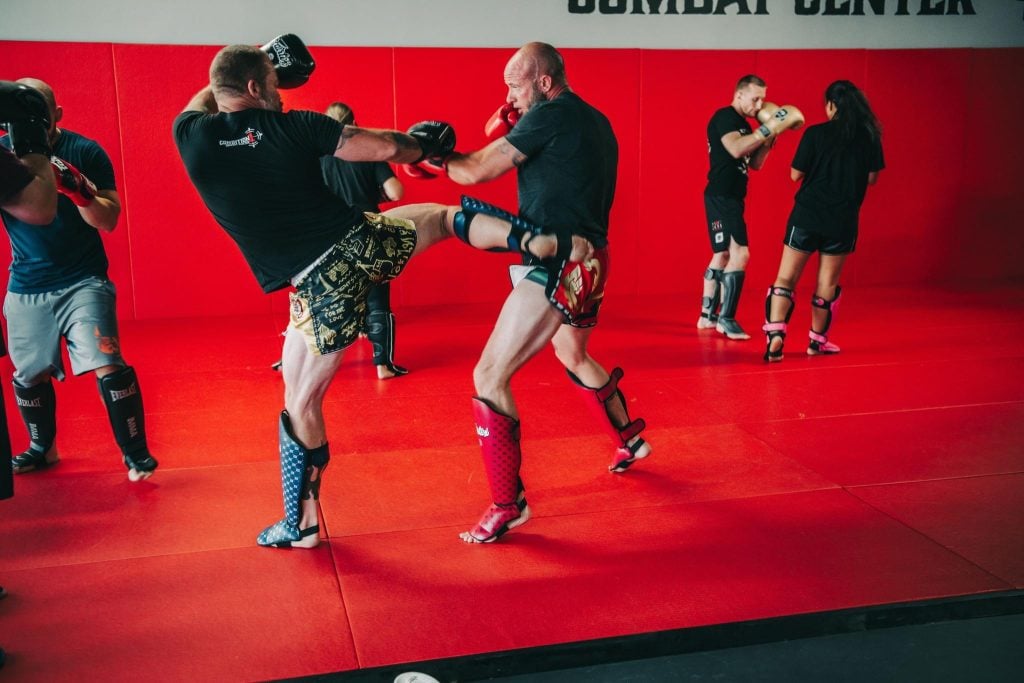
Safety, longevity, and smart training
Neck health matters. Front headlock drilling should include taps that prioritize cervical safety. If a guillotine is tight, tap, note the grip entry, and re-run the scenario with a small change. Shoulder health matters under kesa and mount. If your elbow drifts and the armbar comes on, tap and learn why your elbow left home. At a serious gym that runs continuous programs, like Condition 1 Combat Center, you will see instructors insist on tap culture. That mindset lets you train five days a week rather than spending five weeks off the mat.
Training gear matters for escapes too. Rashguards reduce skin friction burns during high-rep shrimping. A mouthguard can save a lip when you bridge and collide with a forehead. In a place that also offers stand-up like a Muay Thai gym or a boxing gym, you will already have this gear bag. Use the same discipline to gear up for the mat. It sounds small until you skip a week for a preventable mat burn.
How to integrate escapes into your training week
Escapes need more than a token drill during warm ups. Give them prime time. If you have three BJJ sessions a week, make one escape heavy. Ask your coach for rounds that start in side control, mount, and back. Fifteen minutes per session devoted to bad spots adds up to more than 35 hours a year. That volume changes instinct. If you also attend MMA training at Condition 1 Combat Center, request a corner round that begins with back control against the fence with small gloves. That solves for strikes and spatial constraints at the same time.
For beginners in self defense classes, start simpler. Learn to frame. Learn to hide your chin and jaw. Learn to stand up safely using a technical stand. Those skills already count as escapes and transfer cleanly to sport if you keep training.
Connecting with a room that values defense
Look for a coaching culture that praises clean escapes out loud during rounds. Pay attention to how upper belts roll. If you see them concede a sweep rather than give up a crossface, you are in a room that understands defense. When you visit condition1combat.com to explore BJJ and MMA options, check whether class descriptions mention positional sparring or survival rounds. Ask how beginners are onboarded and whether there are dedicated sessions at the Condition 1 Combat Center bjj gym focused on mount and back control. If you are a striker crossing over from the Condition 1 Combat Center boxing gym or Muay Thai gym, tell your coach. They can tailor escapes to protect your hands and help you learn to stand intelligently.
A strong escape game is not just about not getting tapped. It unlocks offense. It keeps training partners safe. It teaches posture and breath control you can carry into every discipline under the same roof. Whether your path runs through gi classes, no gi, MMA sparring, or self defense classes at Condition 1 Combat Center, make a habit of earning your way out of bad spots. Your future self will fight calmer, make better choices, and find the exits that less prepared athletes never see.